Table Of Content
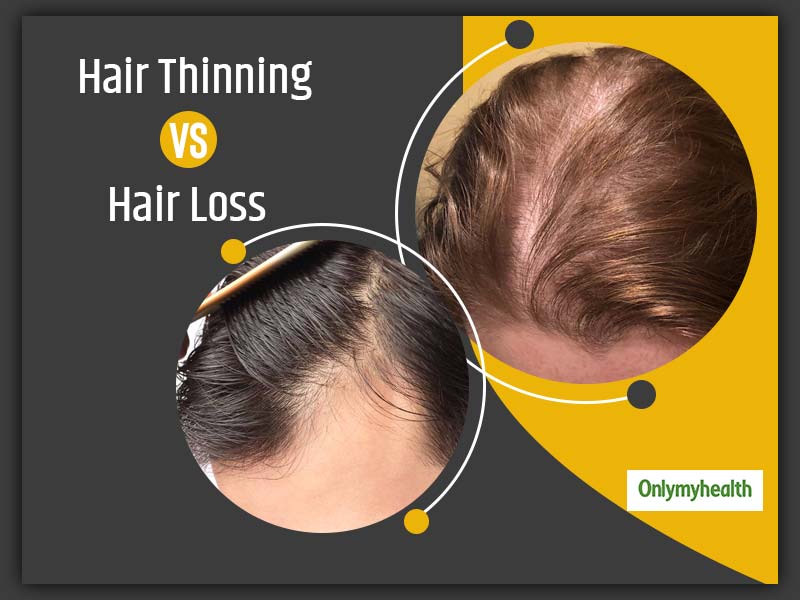
A dermatologist is a medical doctor who specializes in treating the skin, hair, and nails. This usually isn't noticeable because new hair is growing in at the same time. Hair loss occurs when new hair doesn't replace the hair that has fallen out. Male-pattern baldness typically appears first at the hairline or top of the head.
Hair thinning treatments and home remedies

Chlorine found in swimming pools, bleaching your hair, and exposing your hair to excessive heat are also all potential causes of hair damage. Malnutrition is a lack of proper nutrition that can be caused by not eating enough, eating too much, or not getting the right balance of nutrients. A lack of access to food, dietary imbalances, eating disorders, or digestive conditions are some potential causes.
What is hair loss in women?
A dermatologist can also help find a suitable treatment option. Doctors can often diagnose the cause of thinning hair by looking at the pattern of hair loss. Some studies suggest that rosemary oil could improve scalp health by increasing blood flow.
Addressing shortfalls through diet and supplements: Does it help hair growth?
By contrast, scarring alopecia, another autoimmune disease that causes hair loss, is often accompanied by itchiness, tenderness and scaling of the scalp. Scarring alopecia is the most devastating type of hair loss, Mirmirani says, because it permanently destroys the hair follicles. When it comes to effluvium—rapid hair shedding due to physical or emotional stress—treatments focus on finding the underlying cause. If a medication or disease is at the root, treatments focus on those. For anagen effluvium, caused by cancer treatment, there’s some evidence that cooling the scalp during chemotherapy may help preserve hair. Men also experience anagen and telogen effluvium in response to chemotherapy, radiation therapy, or certain medications.
10 habits for good health
Minoxidil usually needs to be used long-term to prevent hair loss and promote hair growth. When the treatment is stopped, hair loss will begin again within 12–24 weeks. Female-pattern baldness typically starts with scalp hairs becoming progressively less dense. Many women first experience hair thinning and hair loss where they part their hair and on the top-central portion of the head. Androgenetic alopecia, which health experts also refer to it as male pattern and female pattern baldness, results from genetic and hormonal factors. Hair loss from any cause can be emotionally challenging.
Don’t use this product if you’re pregnant, if you plan to get pregnant or if you’re breastfeeding (chestfeeding). These changes happen due to varying levels of hormones during menopause. In the most common type of permanent hair loss, only the top of the head is affected. Hair transplant, or restoration surgery, can make the most of the hair you have left.
Do not sell my personal information Privacy Policy and Terms of Use
The earlier you treat hair loss, the better the outcome. Sometimes hair loss is a sign of a condition called hyperandrogenism, which happens when your body makes too many androgens (male hormones). In women and others with female reproductive organs, its most common cause is polycystic ovary syndrome (PCOS).
Care at Mayo Clinic
The #1 Thing Women Should Never Do To Avoid Thinning Hair - Parade Magazine
The #1 Thing Women Should Never Do To Avoid Thinning Hair.
Posted: Wed, 06 Dec 2023 08:00:00 GMT [source]
Here, dermatologists share what you need to know about alopecia, including possible causes, treatment options and what you can do to prevent more hair loss. Alpha-reductase inhibitors, such as Propecia (finasteride) and Avodart (dutasteride), are additional options for male pattern hair loss. Chemical hair products and treatments can cause permanent hair damage. Women typically see hair loss related to hair products more often than men.
Hair Loss And Menopause: Treatment And Prevention – Forbes Health - Forbes
Hair Loss And Menopause: Treatment And Prevention – Forbes Health.
Posted: Thu, 19 Oct 2023 07:00:00 GMT [source]
It can affect people of any age and may come and go unpredictably. Alopecia areata is an autoimmune condition that is characterized by “round patches of hair loss on the scalp,” although it can occur elsewhere on the body, Agbai says. There are several reasons why you might be losing your hair. According to Agbai, genetics, hormonal shifts, stress, underlying medical conditions, nutritional deficiencies, and scalp inflammation are notable factors. Chemotherapy, certain other drugs and radiation treatments can prompt hair loss, mainly in the growth phase.
Some signs of traction alopecia include hair loss in patches where the hair was pulled and shorter strands of hair near the forehead. Pregnancy, and especially giving birth, can lead to hair loss. You're most likely to see hair loss about 3 months after giving birth. That's because your estrogen levels drop after childbirth. If you're losing hair while pregnant, ask your doctor if you might have a dietary deficiency. Female hair loss happens when a woman, or anyone who was identified as female at birth, loses more hair than normal.
There’s a range of treatment options for hair loss, but the best option for you will depend on what’s causing your hair loss. It’s important to keep in mind that hair growth is a complex process and multiple tests may be needed to understand what is causing your hair loss. A biopsy may also be taken if it is initially very unclear what the root causes may be.
Anagen effluvium causes large amounts of hair to rapidly fall out during the anagen (growth) phase of the hair cycle. It may cause hair to fall out from the head, as well as from other parts of the body, including the eyebrows and eyelashes. Some people may experience excessive hair loss shortly after giving birth.
In women, female-pattern hair loss typically affects the crown or top of the head first, Mirmirani says. Women may notice that their part is becoming wider or that their scalp is more visible. Another cause of rapid hair loss in women and men is anagen effluvium from chemotherapy or radiation treatment for cancer or certain medications. The hair loss, which can affect the entire body, starts two to three weeks after therapy. Most people can regrow their hair after stopping treatment.
Individual hair strands also start to shrink in diameter, creating the appearance of thinner hair. Sudden hair loss can happen for various reasons, including stress, an underlying condition, and some medical treatments. Anyone who notices sudden, unexpected hair loss should seek medical advice. Hair loss can also result from genetic factors, nutrient deficiencies, stress, and several health conditions. Treatment for thinning hair will depend on its cause, but may include medications, dietary changes, and more. Hair thinning can occur in certain areas on the scalp, such as the crown or along the part line, leading to noticeable patches or generalized thinning across the entire head.


No comments:
Post a Comment